The Last Timetable Change: Retirement Planning for the Horse Who Taught Everyone

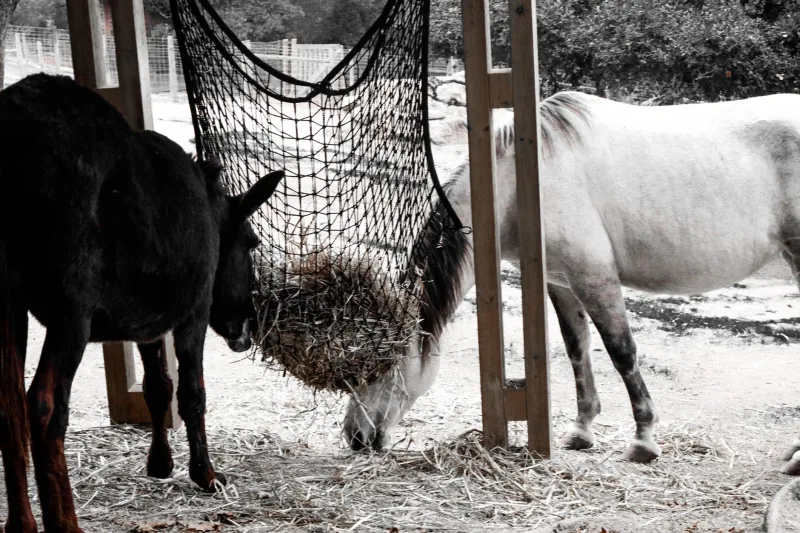
Photo: elderly horse grey muzzle standing in field at winter UK livery yard, via media.wcnc.com
There is a horse on most yards who has quietly done the heaviest lifting in the business. They have taught the nervous mum, the wobbly seven-year-old, the returning rider who cried in the car park, and the teenager who thought they knew everything. They are worth their weight in tack cleaner, and one winter they will start telling you something you do not want to hear.
Good yards plan exits as carefully as they plan rotations. This is a piece about doing that well.
Winter Is an Honest Critic
A schoolmaster can bluff their way through a kind summer. Cold, wet, dark weather strips the bluff away. Watch for the signs that stack up rather than the single bad morning.
A horse who used to be first at the gate and is now last is not being lazy. Stiffness that eases after ten minutes but is there every single day is not 'just age'. Neither is a coat that stays long and curly into December, a topline that has quietly hollowed out behind the wither, or a horse who has started leaning on the walls of their stable overnight. Weight loss in winter is often a dental problem rather than a feed problem, and unexplained low-grade lethargy in an older horse is worth a vet conversation about PPID rather than another bag of conditioning cubes.
Keep a simple weekly note: body condition score, how they move on the first five minutes of turnout, and how keen they are at the gate. Three lines a week, and by February you will have a pattern rather than a hunch. If you are weighing, weigh on the same day, at the same time, with the same tape.
The Signs That Say 'This Is the Year'
Retirement is rarely one dramatic vet visit. More often it is a set of small answers that all point the same way:
- They need bute or danilon to be comfortable in work, and the dose is creeping up.
- They can manage a walk-trot lesson but the canter has become a compromise.
- They are sour in the school but bright on a hack, which tells you the work has become the problem, not the horse.
- The cost of keeping them sound and comfortable in work is rising faster than the income they generate.
None of those alone means retire tomorrow. Together, they mean start planning now, in spring, while you have options and daylight and a full field. December is a terrible month to make this decision and an even worse one to announce it.
The Options, Honestly Priced
Retirement livery at a specialist yard is the gold standard and it is not cheap. Expect somewhere in the region of £150 to £350 a week depending on region and how much checking, rugging and vet liaison is included, and more if the horse needs daily medication or individual turnout. Grass livery with a knowledgeable private owner can come in far lower, but you lose the layer of professional eyes.
Keeping them at home on the yard sounds free and almost never is. A retired horse still needs feet done every six to eight weeks, teeth every six to twelve months, annual vaccinations, worming or testing, and a vet on call. They still need the same amount of hay whether or not they are earning. Budget the true annual cost before you decide, because 'we'll just keep them in the field' is where a lot of yards quietly start losing money.
Plan the money with the same discipline you would apply to a new horsebox. If retirement livery is the choice, ring-fence the weekly figure in the yard's accounts rather than hoping it comes out of lesson income in a wet January.
The Loan Home Question
Loaning as a companion is the third route and it works brilliantly when it is done properly. It goes badly when the paperwork is vague.
A genuine companion home has another horse, safe fencing, and no ambition to ride. Visit it. Visit it again in awful weather. Speak to their vet and farrier. Put a written agreement in place covering who pays for what, notice periods, rehoming rights, and the return of the horse if circumstances change. Retained ownership should be non-negotiable for a schoolmaster, because the one thing you cannot do is hand over a horse you have promised to look after and then lose track of them.
Charities such as Blue Cross and World Horse Welfare also offer rehoming schemes and, just as usefully, honest advice. Their helplines are not a last resort; they are a sensible second opinion.
Telling People Without Telling Them Too Much
Here is the bit yards get wrong. A horse disappears from the board one Monday and the rumour mill fills the gap with something worse than the truth.
Tell people early, tell them once, and tell them properly. A short note and a photograph on the yard's social channels, plus a line in the office, is enough: this horse is stepping back from lessons, here is why, here is what happens next, here is how we will mark it. You do not owe anyone a veterinary history. You do owe them honesty about the horse they have been climbing on for six years.
Then give the goodbye some structure. A last-lesson slot for regulars, a rosette, a photo board of the horse's greatest hits, and a small collection if clients ask for one. One yard we know simply put a jar of polos in the office with a label reading 'for the old boy' and let people get on with it in their own way.
And plan the transition for the riders too. Which horse picks up their lessons? Who gets the nervous beginners now? Sorting that before the announcement turns a sad week into a manageable one.
The Plan on Paper
Write it down. A single side of A4 covering the date you will review, the signs that will trigger retirement, the budget, the chosen option and the fallback, who decides, how clients will be told, and where the horse will go. Review it in June and again in October.
The horse who taught everyone else deserves a timetable with nothing on it but grass, shelter and the right to be a bit stiff in the mornings. Planning that well is the last lesson they teach you.