The Hoof-First Morning: A Riding School's Winter Triage Walk
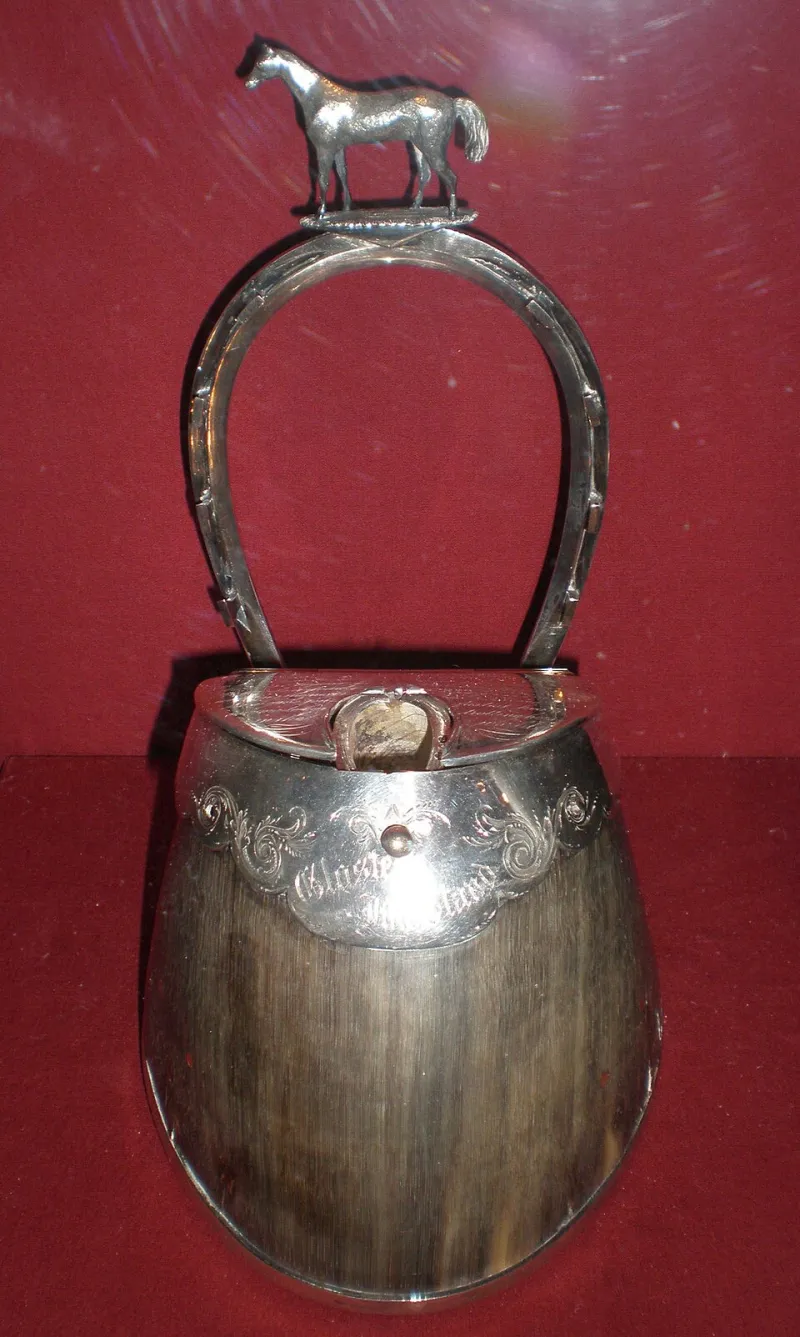
Photo: BrokenSphere, CC BY-SA 3.0, via Wikimedia Commons
November on a riding school yard has its own soundtrack: rain on the roof, the clang of buckets, and somebody shouting across the yard, “Is that hoof sound or is it just me?” By the time the first lesson is on, most yards have already made a dozen small judgments about legs, rugs and ground conditions. Hooves deserve the same attention — not a rushed pick-out on the way to the arena, but a proper look while the horse is still standing on a clean, dry surface.
Why winter asks more of school-horse hooves
School horses do a very particular job. They work on surfaces that change from day to day, stand in for novice riders who may not feel a subtle lameness, and often live in a routine that balances turnout, stabled time and lessons. Add wet weather, muddy gateways and the first hard frosts of the season, and the hoof is dealing with repeated cycles of softening and drying. That is a lot to ask of four feet.
The goal is not to wrap every horse in cotton wool. It is to notice the small changes early, before a slightly sore foot becomes a lost week of lessons or a vet bill nobody needed. A hoof-first morning walk is simply a way of making those observations part of the daily routine rather than an emergency response.
The hoof-first morning: five minutes per horse
This works best before breakfast or before the first horse is tacked up, when the yard is still quiet and the horse is standing on a clean yard or stable floor. You do not need to be a farrier to do it. You need clean hands, a hoof pick, a torch in the darker months and a consistent pair of eyes.
Start at the front left and work around in the same order every day. Pick out the foot properly, including around the frog and the bars, and look at what comes out. A little mud and bedding is normal. A strong, unpleasant smell, black greasy discharge or a packed-in stone is worth a second look.
Then compare the four feet. Is one hoof warmer than the others? Is the coronet band puffy? Is there a crack that has suddenly become wider, or a shoe that has started to lift at the heel? Run your hand down the leg and feel for heat or swelling. Watch the horse walk a few steps on a level surface. A horse that is pottery on frozen ground may simply be feeling the surface, but a horse that nods its head or refuses to put weight on a foot needs more than a note in the diary.
Reading the sole without overreading it
Winter hooves can look alarming. Wet conditions soften the sole and make it easier to see every crevice; frozen ground can make horses appear footsore even when there is nothing seriously wrong. The trick is to look for change rather than perfection.
A little surface wear is normal, especially in a working school horse. Bruising tends to show as a sensitivity to pressure, a reluctance to walk on stones, or a shorter stride on one side. Abscesses often arrive with more drama: sudden lameness, heat in the foot, a throbbing digital pulse and sometimes swelling up the leg. Thrush is usually more gradual — a black, smelly discharge around the frog, particularly in horses standing in wet bedding or muddy turnout.
None of these are a diagnosis from the yard gate. They are reasons to look closer, clean up the foot and decide who needs to be told.
A simple triage: check, clean, compare, call
Think of the morning check as four steps.
Check the foot in a consistent order and note anything that has changed since yesterday. Clean it out properly so you can actually see the sole and frog. Compare it with the other three feet and with how the horse walked in from the field. Then call the right person if the picture does not add up.
For everyday wear, the answer may be nothing more than a dry bed and a few quieter days on better ground. For a loose shoe, a risen clench or a hoof that is clearly out of balance, the farrier is usually the first call. For sudden severe lameness, heat, swelling, a suspected abscess or a horse that cannot bear weight, ring the vet. If you are genuinely unsure, ring the vet and describe what you are seeing; they would much rather have the conversation early than meet a horse in crisis on Friday afternoon.
Farrier or vet? The line that matters
The farrier is your ally for hoof shape, shoe fit, cracks, wear patterns and routine care. They can advise on balance, breakover and what the hoof is telling you about the horse’s way of going. A good farrier will also tell you when something is beyond their remit.
The vet is the right call when there is pain you cannot explain, sudden lameness, heat and swelling, a pus-like discharge, or any sign of infection spreading up the leg. Abscesses, for example, may need veterinary assessment and drainage rather than a routine trim. If a horse has a digital pulse that is bounding and the foot is hot, do not wait for the next farrier visit out of politeness.
For thrush, mild cases often improve with better bedding, daily picking out and a drier environment, but persistent or painful cases should be discussed with your vet or farrier rather than treated blindly with whatever is in the tack-room cupboard.
Bedding, turnout and the arena
Hoof health in winter is often decided by management rather than medicine. A deep, dry bed is not a luxury; it gives the hoof a chance to dry out between work and turnout. Shavings or wood pellets that are kept clean and topped up are usually kinder than a thin, damp bed that never quite dries. If a horse is stood in wet bedding all night, no amount of picking out in the morning will fully undo it.
Turnout needs a realistic eye, too. Muddy gateways and frozen ruts are hard on soles and joints. Rotating fields, using hardstanding, putting hay out away from the gate and bringing horses in before the ground cuts up are all small decisions that add up. A horse that gallops to the gate on frozen ruts is at more risk than one that ambles in for hay.
And do not forget the arena. A surface that has frozen solid or become deep and holding can make a sound horse look unsound. Check the going before the first lesson, adjust the work if needed and give sore horses an easier day rather than asking them to push through.
The hoof-first morning will not solve every winter problem. But it turns a vague worry into a clear decision: pick it out, pack it if advised, or make the call. That is a useful start to any yard day.