Ground Control: A Riding School's Post-Thaw Arena Walk-Through
There's a particular kind of optimism that arrives with a thaw. The ice on the trough has gone soft, the yard radio is working again, and someone is already backing the first horse of the day. That's understandable. After a run of frozen mornings, everyone wants the arena back. But a thaw is not a green light. It's a fact-finding mission.
A twenty-minute walk-through, done properly, can save you a week of repairs and a lot of awkward phone calls. Here's what to look at before the next lesson goes ahead.
Look First, Walk Second
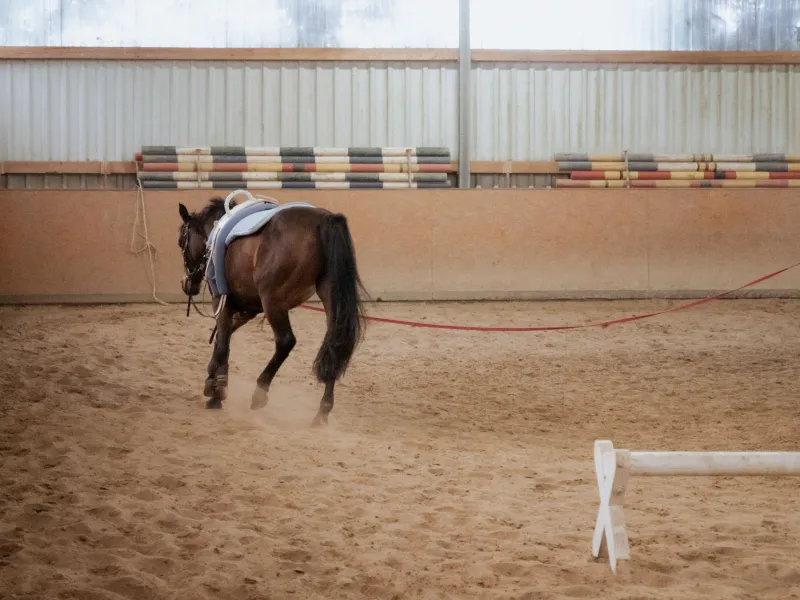
Before you set foot on the surface, stand at the gate and scan the whole arena. You're looking for the obvious: standing water, patches that have gone a different colour, hoof prints that have sunk deeper than they should, and any divots or ridges left by the last session before the freeze. Check the track, the corners and the centre line. If the arena has a camber or a slope, look at the low side first. Water will have found it already.
This is also the moment to check the banks and the edges. A thaw can make the surface look workable in the middle while the margins are still holding ice. If the arena has mirrors, kick boards or a sprinkler system, give those a visual once-over too. Frost and meltwater are not kind to fittings.
Test the Surface, Not Just the Top
A surface that looks soft on top can still be hard underneath. Use your heel, not just your hand. Press down firmly in several places: the gate end, the middle, the far corner and the track. If your heel sinks easily but the ground still feels stiff below, wait. That's the classic false ground that catches people out.
A long screwdriver or a proper surface probe is better than a prod with a boot. Push it in gently and see what comes back. You're checking for frozen lumps, a firm base and any sudden changes in depth. If the probe stops dead an inch down, the arena is still holding frost. If it slides in too easily, you may be looking at saturated ground rather than a thawed surface.
The rule is simple: if you wouldn't be happy trotting a horse on it yourself, don't ask a client to. School horses work hard enough without being the test pilots for a half-frozen arena.
Follow the Water
Drainage is the quiet hero of every arena, and a thaw is when it shows its working. Walk the perimeter and look for water sitting where it shouldn't. Check the low spots, the gateway, the drain covers and any gutters or ditches. If the arena has French drains or a herringbone system, make sure the outlets are clear. A thaw can push debris into places that were fine before the freeze.
Standing water doesn't just mean a wet surface. It tells you where the ground is weakest. If a puddle is sitting on top of a firm surface, that's one thing. If the ground around it is spongy, that's another. Note where the water is, how deep it goes and whether it's draining away while you watch. If it isn't moving, the next lesson can wait.
Gateways and Fencing: The Bits Everyone Forgets
Gateways take a hammering in winter. Once the frost lifts, check the gateway for poaching, ruts and any signs that the surface has been pushed up or hollowed out. Make sure the gate still swings cleanly, the latch catches and the ground beneath it isn't a trip hazard. If you use a gateway mat or hardstanding, lift it if you can and check what's underneath.
Then walk the fence line. Frost can lift posts, loosen rails and open up gaps that weren't there last week. Check kick boards, arena mirrors, light fittings and any temporary fencing. If something has moved, mark it and keep the arena closed until it's sorted. A quick repair now is cheaper than a vet bill later.
Water Points and Taps
A thaw is when split lagging, cracked pipes and leaky troughs make themselves known. Check every water point in and around the arena: automatic drinkers, troughs, taps, hoses and buckets. Run the tap, watch the flow and look for leaks at the joints. If you lagged pipes before the cold snap, check that the lagging hasn't come loose or soaked through.
Don't forget the human side of water, either. If your arena has a tap for washing off or filling buckets, make sure the area around it isn't a mud bath. A rider leading a horse through a slippery gateway is exactly the kind of avoidable incident that ruins a morning.
Photograph It, Note It, Share It
Take photos. Not for social media, unless you're doing a behind-the-scenes post, but for your own records. Photograph the same spots each time: the gateway, the low corner, the drain, the water point. Add the date and time to your notes, along with a short description of the surface and any action taken. A paper trail is your friend. It helps you spot patterns, plan repairs and explain decisions if a client asks why lessons were cancelled.
Share the notes with the rest of the yard team. The person who opens up on a Saturday morning shouldn't be the only one who knows that the far corner holds water. A quick message in the yard group chat is enough: surface soft at the gate end, drain clear, arena open from 10am, far corner still off limits.
The Reopening Conversation
Someone has to make the call, and it shouldn't be the first rider through the gate. Decide who signs off the arena after a thaw, whether that's the yard manager, the head coach or the owner. Then communicate clearly. If you're reopening, say what's been checked and any areas to avoid. If you're delaying, say why and when you'll review it.
Clients are far more understanding when they know what's happening. A short message beats a vague cancellation every time. "Arena inspection done, surface still holding frost in the corners, lessons from midday" is all most people need. It shows you're on it, and it stops anyone arriving early and deciding to warm up in the gateway.
A thaw is a transition, not a finish line. Give the ground twenty minutes of proper attention and you'll protect the surface, the horses and the people who pay to ride on it. That's not bureaucracy. That's good yard craft.