Who's On Next? A Fair Rotation Plan for Your Schooling String
The dependable horse trap
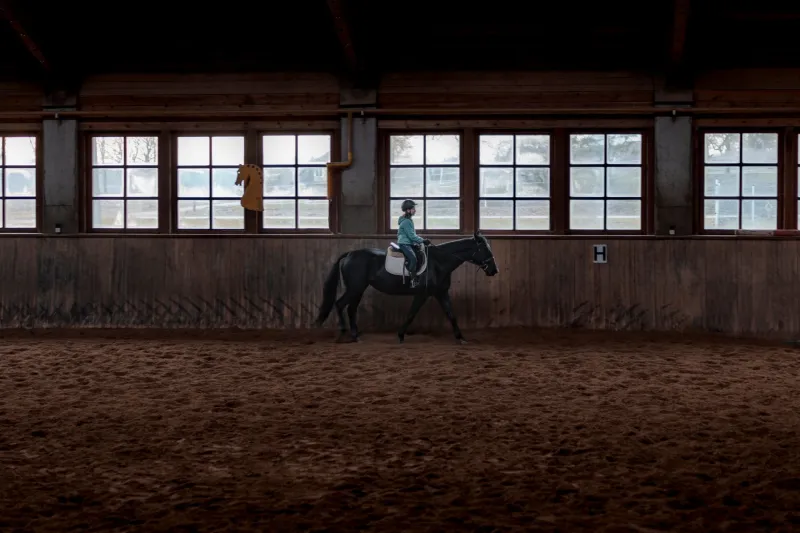
You know the one. The steady cob who never puts a foot wrong in a novice lesson. The schoolmaster who can be trusted with a nervous adult returner. The saint who stands like a rock while a child learns to mount. They are the backbone of any riding school, and they know it.
But there is a quiet cost to relying on the same safe pair of hands. Week after week, the dependable horse gets booked for the trickiest riders, the busiest slots and the lessons where a wobble could knock someone's confidence. Winter makes it worse: less turnout, harder ground, more time in the indoor school, and a full diary of clients who all want the horse they know. The short-term fix becomes a long-term problem — sourness, stiffness, niggling injuries, and a horse who starts to dread the sight of the tack room.
A fair rotation is not about wrapping horses in cotton wool. It is about sharing the workload so your best schoolmasters stay in work for years, not months.
Start with a workload ledger, not a rota
Before you move a single name around the whiteboard, you need to know what your horses are actually doing. Most yard managers carry this in their head, which works until it doesn't. A simple ledger — paper or spreadsheet — is enough. For each horse, record:
- Number of rides per week
- Duration and intensity of each ride (a 30-minute beginner walk-trot is not the same as a 45-minute jumping lesson)
- Rider level and weight
- Arena surface and weather conditions
- Turnout hours and any travel
Colour code it if that helps. Green for a typical week, amber for a heavy one, red for a horse that needs a lighter schedule. The goal is not to create a bureaucracy. It is to spot the pattern before the horse does.
Match the horse to the rider — and the lesson
Not every beginner needs the same horse. A quiet weight-carrier might suit a nervous adult, while a sharper pony might be better for a balanced teenager who needs to learn feel. Build a simple suitability matrix: horse name, maximum rider weight, temperament notes, training level, and any quirks. Then match lessons to horses rather than defaulting to the same three names.
Remember that some horses have second jobs. An RDA pony, a livery horse used in lessons, or a staff horse might have commitments outside the school. Build those into the ledger too. The BHS recommends regular fitness checks for working horses, and a horse that is sound but flat is still a horse that needs a lighter day.
Reading the early signs
A dependable horse will often tell you they need a break long before they go lame. Watch for:
- Ears back or tail swishing when the tack comes out
- Reluctance to move forward in the school, especially on a circle
- Stiffness in the first ten minutes that does not warm up
- A change in canter transitions — more tension, less jump
- Sourness at the mounting block or when girthed up
- Dropping weight or a dull coat despite good forage
None of these mean the horse is broken. They mean the horse is asking for variety. A lighter week, a hack instead of a school, or a day off can reset the outlook far better than pushing through.
A simple rotation template
You do not need a complicated algorithm. A weekly grid works. Here is a starting point for a yard with eight school horses and a mixed lesson diary:
| Horse | Mon | Tue | Wed | Thu | Fri | Sat | Sun | Weekly total |
|---|---|---|---|---|---|---|---|---|
| Bramble | 2 | 1 | 0 | 2 | 1 | 2 | 0 | 8 |
| Chester | 1 | 2 | 1 | 0 | 2 | 1 | 1 | 8 |
| Dolly | 0 | 1 | 2 | 1 | 0 | 2 | 2 | 8 |
| Flint | 2 | 0 | 1 | 2 | 1 | 0 | 1 | 7 |
| Gypsy | 1 | 1 | 0 | 1 | 2 | 1 | 2 | 8 |
| Hazel | 0 | 2 | 1 | 0 | 1 | 2 | 1 | 7 |
| Ivy | 1 | 0 | 2 | 1 | 1 | 0 | 1 | 6 |
| Jasper | 2 | 1 | 1 | 1 | 0 | 1 | 0 | 6 |
Aim for no more than two rides per day for most school horses, and a lighter week every fourth week. Build in a floating horse — one whose schedule can flex — so you are not caught short when a client requests their favourite and that horse is already at their limit. Review the grid monthly, and adjust for fitness, age and weather. A horse coming back from a break should not go straight into a full timetable.
Keeping clients onside
Riders get attached to horses. That is a good thing. But it means you need to explain the rotation before it becomes a problem. A short note on the whiteboard or booking system helps: "We rotate our school horses to keep them sound and happy. Your lesson horse may change from week to week — this is a sign of a well-run yard, not a shortage." Frame variety as a teaching tool: riding different horses builds a better, more adaptable rider. Most clients accept this once they understand the reason.
Staffing lessons without the same horse
A fair rotation only works if the lesson plan can cope. Cross-train where possible: a horse that is safe for beginners might also be suitable for a low-level dressage lesson with a more experienced rider. Use arena time wisely, and build in a five-minute handover between lessons so staff can assess the next horse before the rider mounts. If your yard uses freelance instructors, share the rotation grid with them in advance so they can plan.
The bottom line
A rotation plan is not about being soft on horses. It is about protecting the animals that make your business possible. The dependable horse who carries beginners all winter is worth their weight in gold — but only if they are still sound and willing next spring. A simple ledger, a fair grid and a willingness to say no to one more ride will keep your schooling string in work and your lesson diary full.