The Christmas Bucket Rule: Saying No to Sugar Without Grinching December
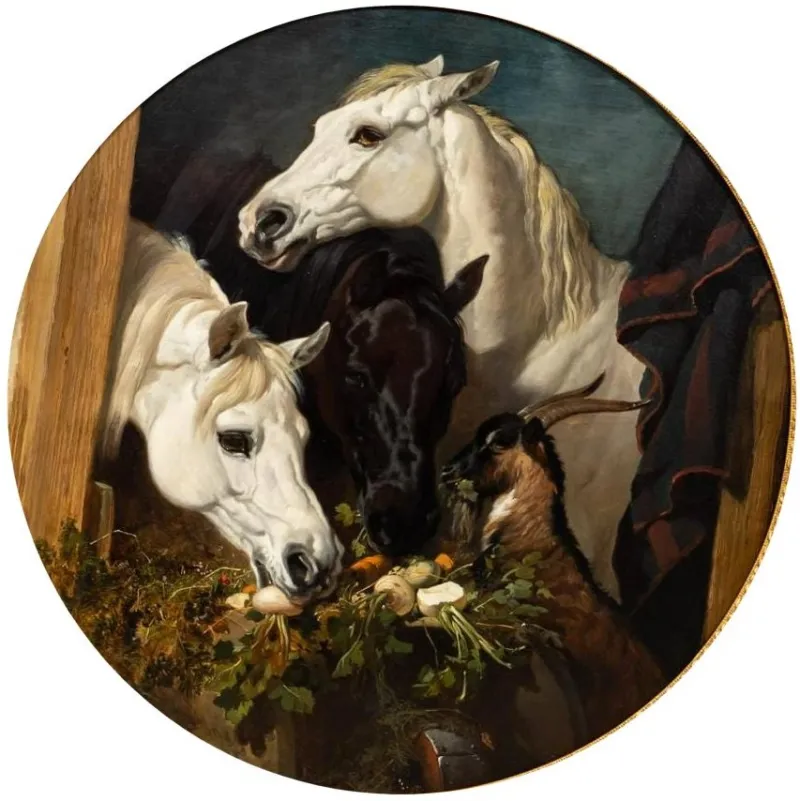
Photo: John Frederick Herring, Public domain, via Wikimedia Commons
By mid-November, most riding schools have already had the first Christmas tin pressed into their hands. Someone has brought a bag of carrots for the school ponies, someone else has a box of mince pies for the staff, and a well-meaning grandparent has tucked a candy cane into a child's riding bag. It is all meant kindly. It is also exactly how a quiet yard suddenly ends up with twelve horses on a sugar rollercoaster before the tinsel is even up.
A festive treat policy is not about banning Christmas. It is about making sure the horses who can cope with a little extra still get their moment, while the ones who cannot are protected without anyone feeling told off. Get the message right in late November and December becomes much calmer for staff, clients and, most importantly, the horses.
Why the Christmas bucket needs a plan
One carrot is not the problem. The problem is arithmetic. A popular school horse might be ridden by six different clients in a week, each of whom brings a small gift because it is Christmas. Add a few livery owners, a visiting parent, a yard Christmas party and a well-stocked treat bucket in the office, and the same pony can be eating a very different diet by 24 December.
Sugar and starch are the parts to watch. For horses with a history of laminitis, equine metabolic syndrome, PPID or unexplained weight gain, a sudden rush of sugary treats is a genuine risk. Even horses without a diagnosed condition can tip over into fizzy behaviour, loose droppings or a grumpy gut when their routine changes. The festive period already brings colder weather, less turnout in some yards and disrupted routines, so adding a free-for-all treat supply is not the gift anyone wants.
This is not about wrapping every horse in cotton wool. It is about knowing which horses need a stricter line and making that line easy for everyone to follow.
The horses most likely to need a no
Every yard will have a mental list. The native pony who lives on fresh air. The cob with a cresty neck. The older horse with PPID. The mare who has had laminitis before. The horse who gets colicky when his routine shifts. The good-doer who is already on a soaked hay regime.
That list should live with the yard manager, not on a public noticeboard. Clients do not need the full medical history of every horse, but they do need to know that some horses are on a yard-approved treat plan. A simple line in the Christmas email is enough: some of our horses are on restricted diets, so please leave all gifts at the office and we will make sure the right treats go to the right horses.
If you are unsure about a particular horse, ask the vet rather than guessing. A quick conversation now is cheaper and kinder than a Boxing Day colic call.
A yard-approved treat list for 2026
Keep the list short. A long list invites debate. A short list is easy to print, pin up and repeat.
- Small pieces of carrot, apple or swede, given in handful-sized amounts rather than bucket-sized ones.
- Forage-based treats with a sugar and starch figure you can actually read on the bag.
- A few commercial low-sugar treats, checked by the yard manager before they enter the feed room.
- Hay or haylage from the yard's own supply, which is often the most boring and most sensible treat of all.
- A scratch, a groom or a quiet five minutes in the stable, which many horses prefer to food anyway.
On the no list: mince pies, chocolate, candy canes, biscuits, cakes, sweets, fizzy drinks, bread and anything designed for humans. These are not horse treats. They are festive hazards with a bow on.
The practical rule is one small treat per horse per day, and only from the approved list. If a client wants to bring something for a specific horse, it goes to the office first. Staff then decide what is suitable and when it can be given. That might feel less spontaneous, but it keeps the horse's diet under one roof.
The three-bucket system
A simple visual system works well on busy yards. Have three labelled tubs in the office or feed room.
- Green: yard-approved treats, already checked and ready to ration.
- Amber: gifts that need a staff decision, such as an unopened bag of commercial treats.
- Red: human food and anything unsuitable, which gets thanked for warmly and then redirected to the staff room or the bin.
This takes the pressure off the person on the yard. They do not have to stand in the cold arguing about a candy cane. They can smile, say thank you, and point to the office. It also stops one client's kind gesture from becoming another client's excuse to bring a whole hamper.
How to say it without sounding like Scrooge
Tone matters. A notice that begins with DO NOT FEED THE HORSES will get read, but it will also make people feel like they have done something wrong before they have even done anything. Warmth works better.
Try wording like: Our horses love a fuss more than a feed. If you would like to bring something this Christmas, please leave it at the office and we will make sure it goes to the right horse. Some of our ponies are on special diets, so not every treat can be shared.
Put that message in the booking confirmation, the December newsletter and on a laminated sign by the arena gate. Add it to the yard's social media with a photo of a pony looking hopeful. Humour helps. A caption like 'This face has already had his carrot. Please do not believe him' does more than a formal warning.
Offer alternatives too. Clients who want to give something can sponsor a bale of hay, contribute to the yard Christmas fund, buy a new grooming brush, or put money towards a vet bill. A horsey Secret Santa with a strict spending limit and a yard-approved wish list can also channel goodwill in a useful direction.
What to do when someone ignores it
Be polite, be consistent and do not make it a public shaming. If a client feeds a horse directly, staff should step in calmly: 'Thanks for thinking of him, but he is on the restricted list, so please leave anything you bring at the office.' If it happens again, the yard manager can have a quiet word. Most people are not being difficult. They simply do not realise that one treat times twenty clients is not one treat.
The same rule applies to staff, visiting farriers, delivery drivers and anyone else who comes onto the yard in December. A policy that only applies to clients is not a policy. It is a suggestion.
A Christmas that still feels like Christmas
Horses do not need mince pies to know it is December. They need routine, forage, turnout and the same calm handling they get in June. The festive spirit can live in the yard's decorations, the rosettes for the Christmas show, the photos by the tree and the staff secret Santa. It does not need to live in a treat bucket.
So put the policy up early, keep the approved list short, thank people for their kindness and mean it. A yard that says no to sugar can still have a very merry Christmas. It just has fewer stomach aches and a lot more hay.