The Block Is Not Furniture: A Winter Mounting Routine for Busy Yards
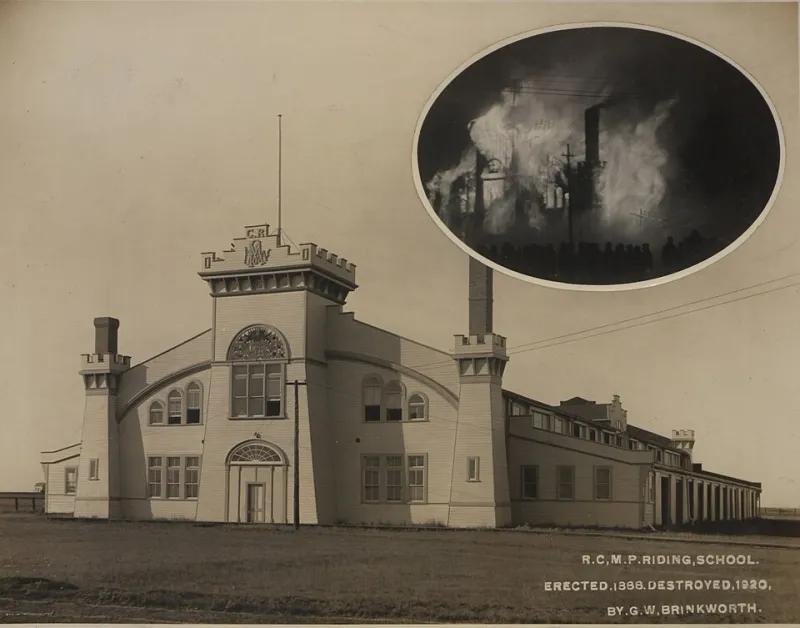
Photo: Sgt. George Walton Brinkworth, Public domain, via Wikimedia Commons
The mounting block has a strange status on many yards. It is there, it is useful, and because it is there, it is easy to stop thinking about it. Then November arrives, the ground turns slick, everyone is wearing an extra layer, and a horse who stood like a statue in September starts treating the block like a suggestion rather than a fixed point.
This is not about blaming anyone. It is about resetting a habit before the cold mornings do it for us. A five-minute mounting refresher at the start of winter lessons is cheap, quick, and far less awkward than discovering a problem halfway up.
Start with the block itself
Before the first rider of the day swings a leg over, give the block a quick once-over. Is it on level ground? Is the top clear of mud, ice, loose hay, or a stray lead rope? Has it been dragged half a metre to the side and left there because the last horse stood awkwardly?
In winter, position matters more than usual. A block that sits on soft ground can shift under a rider's weight. One placed too close to a gate, fence, or wall gives a horse something to lean on or shy away from. And a block on the wrong side of the arena, away from the yard's usual mounting spot, can turn a simple leg-up into a small drama.
Yards do not need a laminated policy for this. They need a default: block checked, block placed, block returned. If the surface is doubtful, move the block rather than asking the horse to cope with it.
The helper is not a passenger
A mounting helper has one job, and it is not to push the rider into the saddle. The helper's role is to keep the horse settled, keep the rider informed, and stop the process if something is not right.
Good practice looks boring, which is the point. The helper stands where they can see the horse's expression and the rider's foot. They keep a hand on the horse only where the yard's policy allows, and they do not fuss with reins, stirrups, and coat zips all at once. One voice is better than three. If a parent, friend, or fellow livery is offering advice from the sidelines, the helper should politely own the moment.
For riding schools, this is also a training point. New staff and volunteers often want to be helpful by doing more. In mounting, helpful usually means calm and clear. The horse should not be held so tightly that they feel trapped, and the rider should not be hauled up like a sack of feed.
Girth, stirrup, boot, repeat
The winter rider is bulkier. That is not a criticism, just a fact of British weather. Thick jodhpurs, extra socks, and bulky coats change how a rider feels in the saddle and how easily a boot finds a stirrup.
Before mounting, check the girth again. A horse that was tacked up twenty minutes ago may have relaxed or shifted. Check that the stirrup leathers are even, the irons are run down, and the rider's boot is not caught in a flap or a martingale. After mounting, the rider should check the girth once more before moving off, ideally with the helper confirming the horse is standing square and relaxed.
This is not about turning every lesson into an inspection. It is about catching the small things before they become the reason a rider hops off again. A twisted stirrup leather or a girth that has crept loose is a five-second fix at the block and a much bigger distraction once the ride is underway.
Read the horse, not the schedule
Some horses are genuinely stiff on a cold morning. They may need ten minutes of walking in hand, a rug change, or a slower warm-up before anyone thinks about mounting. Others are fine until the block appears, and then they hollow, step away, pin their ears, or swing their quarters.
Those are not naughty-horse signs to be overridden with a sharper voice and a leg-up. They are information. A horse who consistently avoids the block may be sore, cold, unbalanced, or simply fed up with a routine that has become rushed. The right response is not to force the issue in front of a waiting lesson. It is to stop, rethink, and involve the yard manager or instructor.
Warning signs worth flagging in the winter refresher include repeated fidgeting at the block, refusing to stand square, flinching when the girth is checked, or a rider who feels the horse tense as they lean over. None of those need a dramatic response, but they do need a pause. A different block, a quieter spot, a helper with more experience, or a groundwork session may be the sensible answer that day.
The five-minute reset
At the start of a winter lesson, staff can run this as a short briefing rather than a full lecture. Block position checked. Helper role confirmed. Girth and stirrup checks named out loud. Horse's demeanour noted before the rider mounts. If anything feels off, the ride waits.
It takes less time than finding a lost glove. And it gives riding schools a simple, repeatable habit for the months when cold hands, stiff horses, and bulky coats make the mounting block feel like a small obstacle course. The block is not furniture. It is the first skill of the lesson, and it deserves five minutes of proper attention.