Buy the Date, Not the Promise: A Winter Voucher Policy for Riding Schools
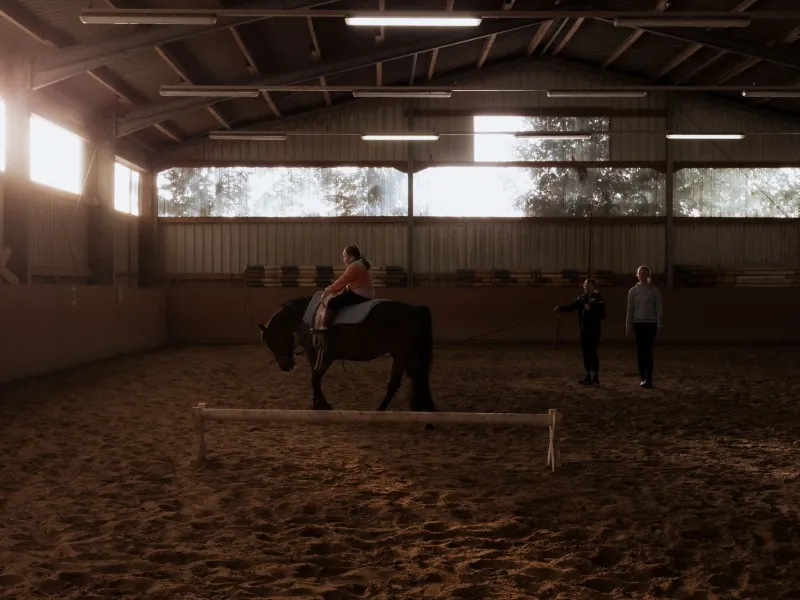
By the first week of November, the yard phone starts doing that familiar winter thing. Someone wants to buy a lesson for a niece, a grandson, a partner who has always fancied riding. It sounds simple: take the money, print a card, hand over a bit of festive goodwill.
Then January arrives. The voucher is somewhere in a kitchen drawer. The recipient has never sat on a horse. Nobody knows their weight, age or whether they are free on a Saturday morning. And the yard is trying to build a workable lesson board around a promise that was never quite pinned down.
At Canter Equestrian, we think winter lesson vouchers should be sold as booked experiences, not open-ended IOUs. A gift can still feel generous. It just needs a date, a rider and a clear set of expectations attached.
A voucher is a booking in disguise
The cleanest policy is simple: every voucher sold must have a named rider and a named lesson date and time. The purchaser chooses it, or the family chooses it together before the card is printed. The card then says something like: this voucher reserves one 45-minute beginner group lesson on Saturday 12 December 2026 at 10am for Ella Morgan.
That single change removes most of the January headache. The lesson is already on the board. The instructor knows who is coming. The office knows which rider file to open. If the recipient cannot attend, the yard's normal cancellation and rescheduling policy applies, just as it would for any other client.
It also protects the gift. An open voucher can sit unused for months and quietly turn into a source of guilt. A dated lesson gives the recipient something to look forward to and gives the yard something it can actually plan around.
Put the boring details on the card
A festive design is lovely. A festive design with no practical information is a customer service problem waiting to happen. The card, or the email that goes with it, should carry the essentials:
- Yard name, address and contact number
- Rider name and age
- Lesson type, duration and start time
- Arrival time, usually 15 minutes before the lesson
- What to wear and whether a helmet is provided
- Any weight or age limits that apply to the lesson
- Cancellation, rescheduling and expiry terms
- Whether the voucher can be transferred and any admin fee
- A note that a health declaration must be completed before riding
Do not bury this in small print on a website. If a parent is buying a gift in a hurry, they need the key points at the point of sale. A voucher without a rider name is a lottery ticket. A voucher with the details filled in is a booking.
Expiry dates: clear beats clever
UK law does not impose one universal gift voucher expiry period, but that does not mean yards can do whatever they like. Consumer protection rules, including the Consumer Rights Act 2015, require terms to be fair and transparent. An expiry date hidden in the terms and conditions, or set so tightly that it is almost impossible to use, is asking for a complaint.
For winter riding lessons, a short expiry is usually the wrong call. Weather cancels lessons. Illness happens. Families juggle school, work and dark evenings. A reasonable window, clearly stated before purchase and printed on the voucher, is better than a strict 30-day countdown that turns a gift into a race.
Good practice is to extend the voucher if the yard cancels the booked lesson, and to be sensible if the recipient cannot book because the lesson diary is full. If a voucher is transferred to another rider, record it in writing. The aim is not to trap people. The aim is to keep the booking system honest.
Weight and age limits belong at the point of sale
Riding schools have weight and age limits for good reasons: horse welfare, instructor safety and insurance. Those limits should not appear for the first time when a hopeful recipient turns up in the yard car park.
Ask for age, height, weight and previous experience when the voucher is bought. Frame it as matching the rider to the right horse and the right lesson, not as a judgment. A beginner child, a tall teenager and a returning adult all need different sessions. If the buyer does not know the recipient's details, mark the voucher as subject to a suitability check and send the booking form before the lesson date.
This is especially important for taster lessons. A taster is a great gift, but it is still a riding lesson. It needs the same checks as any other booking.
Taster lesson or full course?
Both can work, but they need different rules. A taster lesson should be sold as a named date and time, not as a floating credit. It is short, low-commitment and easy to understand. A full course can be better value, but it creates more diary pressure. If you sell a block of lessons, book the first date at purchase and set a clear window for scheduling the rest.
Our preference is blunt: do not sell a winter voucher as five lessons whenever the recipient fancies. Sell it as a course with a start date, a planned schedule and a weather policy. That keeps the yard's lesson board realistic and gives the rider a proper introduction rather than a scattergun approach.
Brief the recipient before they arrive
A voucher is not a free pass to skip the usual preparation. Send a short confirmation email or text with the date, arrival time, clothing advice and yard rules. Mention warm layers, leggings or jodhpurs, boots with a small heel, gloves and hair tied back. Make clear that trainers are not suitable riding footwear. Ask them to complete any health declaration in advance.
For under-18s, make sure the parent or guardian knows they need to stay or sign the relevant forms. If the recipient is an adult returner, ask about previous experience so the instructor can pitch the lesson correctly. A two-minute briefing saves a lot of awkwardness at the gate.
The January headache test
Before you print a single voucher this Christmas, ask yourself one question: if this lands on the desk in mid-January, will we know exactly who is riding, when, and in which lesson? If the answer is no, the voucher is not ready to sell.
Keep a simple voucher register with the purchaser, rider, lesson date, value, expiry and status. Reconcile it weekly. Do not let vouchers become a parallel booking system that nobody owns.
A gift voucher should be a warm welcome to the yard, not a puzzle for the office. Sell the date, not the promise, and everyone has a calmer winter.